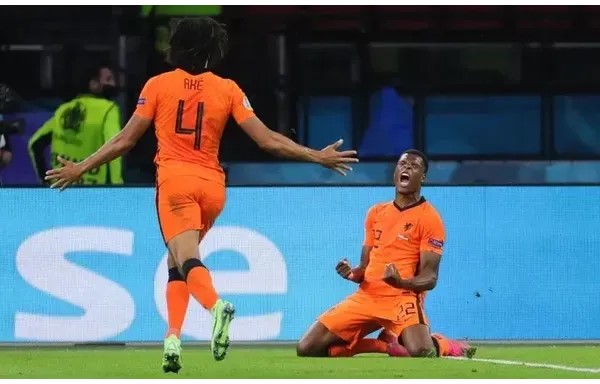

The Sporty Trader: Where Fitness Meets Finance
The world of finance is often seen as a cerebral domain, a place for number crunchers and analysts glued to screens. But what if a different approach could unlock greater success? Enter the sporty trader, an individual who understands the powerful connection between physical fitness and financial acumen.
This isn’t about trading stocks while running a marathon (though multitasking is a valuable skill!). It’s about adopting the mindset, discipline, and resilience cultivated through sports and fitness and applying them to the often-turbulent world of trading. The sporty trader recognizes that a healthy body often leads to a healthy mind, which is crucial for making sound financial decisions.
The Mind-Body Connection in Trading
Trading, at its core, is a mental game. It requires focus, discipline, and the ability to manage emotions effectively. These are all qualities that are honed through regular exercise and a commitment to physical well-being. Let’s explore some key ways fitness can enhance your trading performance:
Reduced Stress and Improved Focus
The markets can be incredibly stressful, leading to anxiety and impulsive decisions. Exercise is a proven stress reliever, releasing endorphins that have mood-boosting effects. A sporty trader uses exercise to clear their head, reduce anxiety, and improve focus, allowing them to make more rational trading decisions.
Enhanced Discipline and Patience
Achieving fitness goals requires discipline and patience. It takes time and consistent effort to see results. This same discipline translates directly to trading. A sporty trader understands the importance of sticking to a trading plan, even when faced with short-term losses. They are patient, knowing that long-term success requires consistent effort and a disciplined approach.
Increased Energy and Mental Clarity
Trading can be mentally draining, requiring long hours of focus and analysis. Regular exercise increases energy levels and improves cognitive function. A sporty trader has the stamina to stay sharp throughout the trading day, making better decisions even when fatigue sets in.
Improved Emotional Regulation
Emotions can be a trader’s worst enemy. Fear and greed can lead to impulsive decisions and costly mistakes. Exercise helps regulate emotions by promoting self-awareness and emotional control. A sporty trader is better equipped to manage their emotions, preventing them from clouding their judgment.
Building Your Sporty Trader Lifestyle
Becoming a sporty trader isn’t about transforming into an elite athlete. It’s about incorporating fitness into your daily routine and cultivating a mindset that supports both your physical and financial well-being. Here are some practical tips to get started:
- Find an activity you enjoy: Whether it’s running, swimming, cycling, or yoga, choose an activity that you find enjoyable and that fits your lifestyle. This will make it easier to stick to your fitness routine.
- Set realistic goals: Don’t try to do too much too soon. Start with small, achievable goals and gradually increase the intensity and duration of your workouts.
- Schedule your workouts: Treat your workouts like important appointments and schedule them into your calendar. This will help you prioritize fitness and make it a regular part of your routine.
- Track your progress: Monitoring your progress can help you stay motivated and see the results of your efforts. Use a fitness tracker or journal to track your workouts and monitor your progress.
- Incorporate mindfulness practices: Mindfulness practices like meditation and deep breathing can help you manage stress and improve focus. Combine these with your fitness routine for optimal results.
The Importance of Mental Toughness in Trading
The mental game of trading is arguably more important than the technical aspects. A sporty trader understands this and actively works to cultivate mental toughness. This involves developing resilience, the ability to bounce back from setbacks, and maintaining a positive attitude even in the face of adversity.
Just like athletes train their bodies to endure physical challenges, traders need to train their minds to withstand the emotional and psychological pressures of the market. This can be achieved through practices like visualization, positive self-talk, and focusing on the process rather than the outcome.
A key aspect of being a sporty trader is understanding risk management. In sports, athletes understand the risk of injury and take precautions to minimize it. Similarly, traders need to understand the risks involved in trading and implement strategies to manage those risks effectively. This includes setting stop-loss orders, diversifying their portfolio, and avoiding over-leveraging.
The disciplined approach of a sporty trader extends to their trading strategy. They develop a well-defined trading plan and stick to it, regardless of market fluctuations. They avoid impulsive decisions based on emotions and instead rely on their analysis and strategy. This disciplined approach is crucial for long-term success in the markets.
Beyond the Gym: Applying Sporty Principles to Your Finances
The benefits of a sporty lifestyle extend beyond the trading desk. The principles of discipline, goal-setting, and perseverance can be applied to all areas of your financial life.
For example, just as athletes set goals for their training, you can set financial goals for yourself. Whether it’s saving for retirement, paying off debt, or investing in your future, having clear goals will help you stay motivated and focused. The mental fortitude of a sporty trader can be applied to other investment strategies too.
Furthermore, the discipline required to maintain a healthy lifestyle can also be applied to your spending habits. By tracking your expenses, creating a budget, and making conscious spending decisions, you can take control of your finances and achieve your financial goals.
In conclusion, becoming a sporty trader is about more than just physical fitness. It’s about cultivating a mindset that supports both your physical and financial well-being. By incorporating fitness into your daily routine, developing mental toughness, and applying sporty principles to your finances, you can unlock your full potential and achieve greater success in the markets and in life. A sporty trader is an all-around successful individual.
The Long-Term Advantages
The advantages of being a sporty trader aren’t just short-term gains; they compound over time. The improved mental clarity, reduced stress, and enhanced discipline contribute to a more sustainable and enjoyable trading career. This holistic approach to trading fosters resilience, allowing you to navigate market volatility with greater ease and confidence.
Consider the analogy of a marathon runner. They don’t sprint the entire race; they pace themselves, conserve energy, and strategically navigate the course. Similarly, a sporty trader approaches the market with a long-term perspective, making calculated decisions and avoiding impulsive actions that could jeopardize their overall success.
Embrace the Challenge
The path to becoming a sporty trader is not without its challenges. It requires commitment, discipline, and a willingness to step outside your comfort zone. However, the rewards are well worth the effort. By embracing the challenge and integrating fitness into your trading lifestyle, you can unlock your full potential and achieve lasting success in the markets.
Remember, it’s not about perfection; it’s about progress. Start small, stay consistent, and celebrate your achievements along the way. The journey of a sporty trader is a continuous process of self-improvement, both physically and financially.
FAQ
Q: Do I need to be an athlete to be a sporty trader?
A: Absolutely not! Being a sporty trader is about incorporating regular physical activity into your routine and adopting a mindset that supports both your physical and financial well-being. Any form of exercise you enjoy can be beneficial.
Q: How much exercise do I need to do to see a difference in my trading performance?
A: Even small amounts of exercise can make a difference. Aim for at least 30 minutes of moderate-intensity exercise most days of the week. The key is consistency.
Q: What if I don’t have time for exercise?
A: Look for ways to incorporate physical activity into your daily routine. Take the stairs instead of the elevator, walk or bike to work, or do a quick workout during your lunch break. Every little bit helps!
This content is presented in ng.